Bridal Guides · May 20, 2026
Bridal Portrait Guide: Posing, Lighting & Timing
Everything brides need to know for stunning editorial portraits.
Bridal portraits are some of the most looked-at images from any wedding — they're the ones printed largest in albums, shared most on social media, and remembered longest. A little preparation on timing, lighting, and posing makes the difference between portraits that feel stiff and ones that feel effortless.
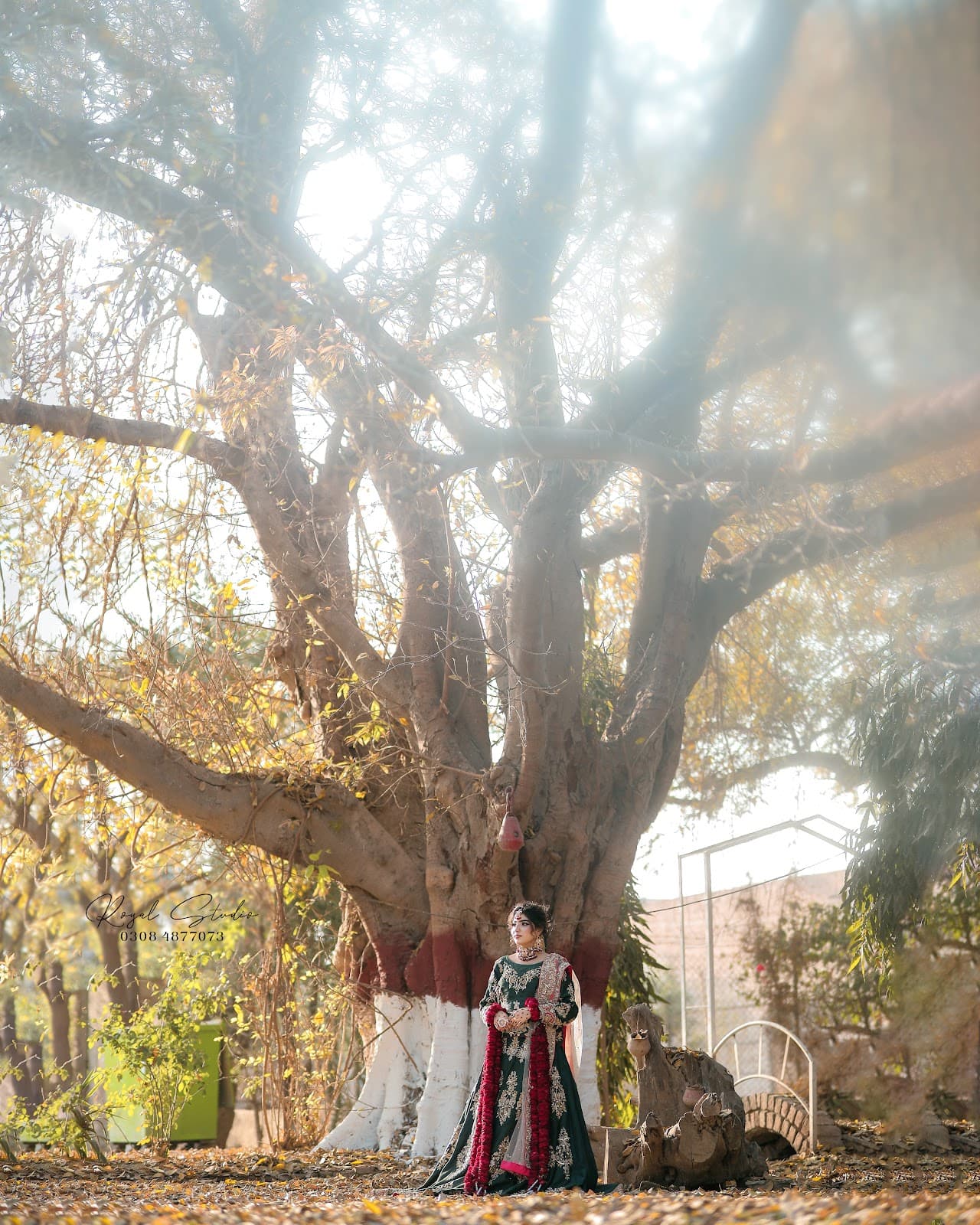
Timing matters more than most brides expect. The one to two hours around sunrise and sunset — golden hour — produce the softest, most flattering light, with warm tones and gentle shadows that suit most skin tones and outfit colors. If your portrait session can be scheduled around golden hour, even a simple location will look far more polished than a midday shoot in harsh overhead light. For indoor or studio sessions, ask your photographer what time of day their natural light is best, since window light shifts dramatically through the day.
Coordinate with your makeup artist on timing, not just the look. A rushed getting-ready sequence is the most common reason portrait sessions run late and lose their best light window. Share your photography start time with your makeup artist in advance, and build in 20–30 minutes of buffer — heavy bridal makeup and elaborate outfits almost always take longer than planned.
Posing works best as movement, not held positions. Static, stiffly-held poses tend to look tense in photos. Experienced photographers guide you through small movements — a slow turn, a soft laugh, adjusting your dupatta or jewelry — and capture the natural moment in between rather than a frozen pose. If you're nervous in front of the camera, tell your photographer directly; a good one will give you simple, specific directions (“look down, then slowly look back up”) rather than a vague “just be natural,” which is hard advice to follow on the day.
Let your outfit and jewelry lead the composition. Heavy bridal wear photographs differently than everyday clothing — trains, dupattas, and layered jewelry all need a moment to settle before a shot rather than being captured mid-movement. Simple additions like a slow spin to let a lehnga fall naturally, or a still beat after adjusting jewelry, give your photographer a much better window to capture detail shots that matter later — the handwork on your outfit, the earrings, the mehndi.
Scout the location, or trust your photographer to. Backgrounds with too much visual clutter compete with the bride rather than supporting her. Clean, simple backdrops — a plain wall, natural greenery, soft indoor light — usually photograph better than busy or highly decorated spaces. If you're shooting at a venue, a short walkthrough beforehand (in person or over photos/video call) helps identify the two or three spots that will actually work.
Plan for both solo portraits and getting-ready coverage. Some of the most treasured images from a wedding day end up being candid getting-ready moments — a mother adjusting her daughter's dupatta, a quiet moment before the ceremony — alongside the formal portraits. If these matter to you, say so explicitly when discussing coverage, since not every package includes dedicated getting-ready time.
Great bridal portraits come down to light, timing, and a little trust between you and your photographer — the technical side is their job, but showing up with a plan for timing and communicating what matters to you makes all the difference in what you get back.